
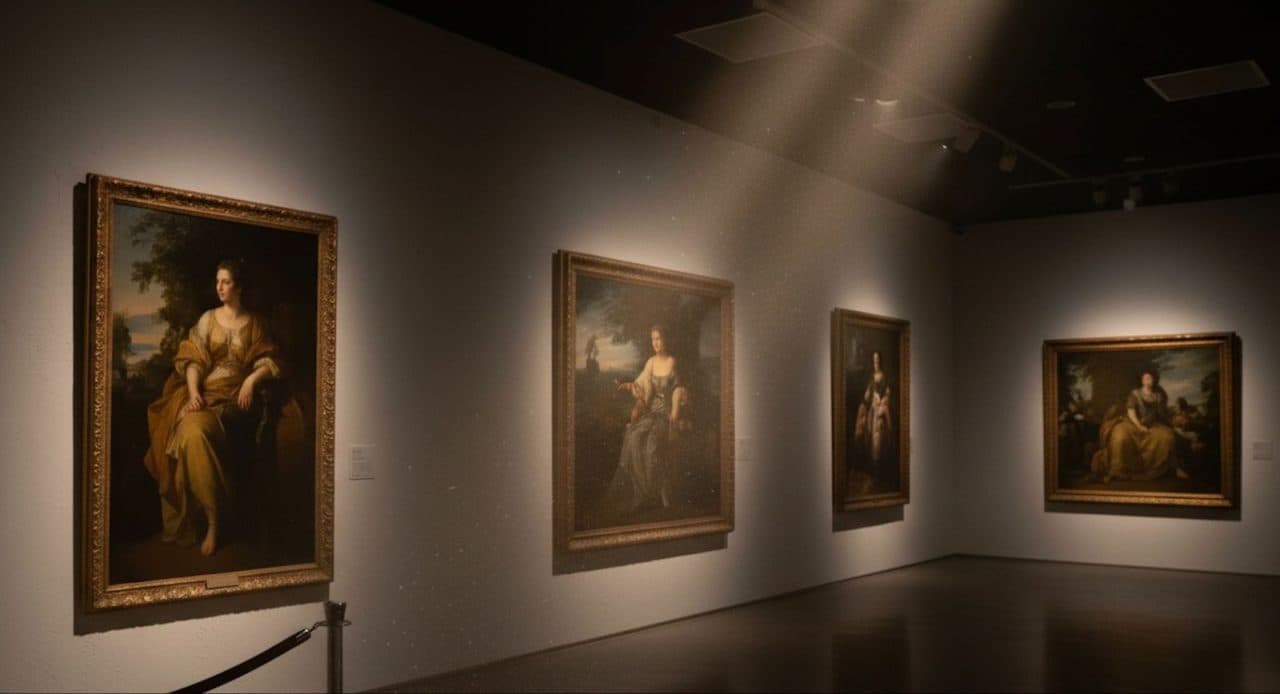
How Air Quality Affects the Condition of Art in Galleries and Private Collections
Indoor air is one of the most persistent and underestimated threats to artwork. Dust, volatile organic compounds, and unstable humidity levels cause cumulative damage to paintings, works on paper, photographs, and sculpture. Much of this damage is delivered through HVAC systems, which circulate airborne pollutants across every room they serve. In cities with aging building stock and high ambient pollution, professional air duct cleaning in NYC and similar cities is a baseline measure for protecting any interior, including spaces where art is displayed or stored.
Airborne Pollutants That Damage Artwork
Four categories of airborne pollutants pose a direct risk to art objects: particulate matter, volatile organic compounds (VOCs), acidic gases, and ozone. Each one interacts with materials in a distinct way, and all of them are commonly present in indoor environments.
Particulate Matter
Particulate matter includes dust, soot, and textile fibers. These particles settle on surfaces and embed into the texture of canvas, paper, and paint layers. On porous materials such as unvarnished oil paint or watercolor, fine dust acts as a mild abrasive during any surface contact — including routine cleaning — and gradually wears down pigment layers.
Volatile Organic Compounds
Volatile organic compounds are released by furniture, adhesives, cleaning products, flooring, and fresh paint. VOCs react chemically with pigments and protective varnishes, causing discoloration and accelerated aging of binder materials. In poorly ventilated rooms, VOC concentrations can remain elevated for months after a renovation or furniture change.
Acidic Gases
Sulfur dioxide (SO₂) and nitrogen dioxide (NO₂) are acidic gases that enter buildings from outdoor traffic emissions and industrial activity. When absorbed by paper or textile fibers, they accelerate yellowing and embrittlement. On metal elements — frames, sculpture components, and photographic plates — acidic gases initiate corrosion that progresses beneath the visible surface.
Ozone
Ozone is a strong oxidizer that breaks down organic molecules in dyes, natural fibers, and rubber-based materials. Even at low concentrations, prolonged exposure to ozone fades color pigments and weakens the structural integrity of paper and canvas.
How HVAC Systems Contribute to Art Deterioration
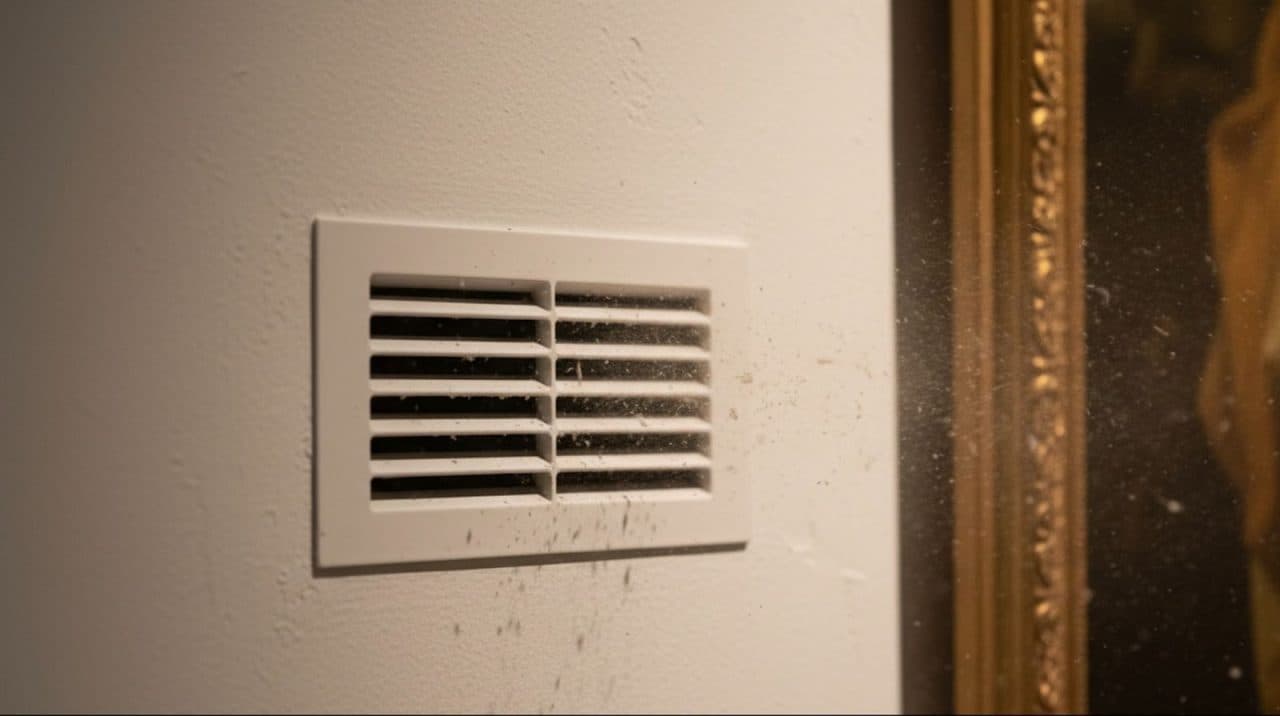
HVAC systems control temperature and airflow, but they also serve as the primary pathway through which pollutants enter and circulate within indoor spaces. When ductwork is contaminated, the system distributes harmful particles to every room it reaches.
Contaminant Buildup in Ductwork
Dust, mold spores, and microscopic debris accumulate inside air ducts over the years of operation. Each time the system activates, it pushes a portion of this buildup into the air supply. The result is a continuous low-level exposure that affects every surface in the space, including artwork.
Pollutant Recirculation
Recirculation compounds the problem. Most HVAC systems do not fully exhaust indoor air — they return a significant portion of it through the same contaminated ductwork. Pollutants that originate in one part of the building are redistributed across all connected rooms.
Humidity Instability
Clogged filters and dirty coils also destabilize relative humidity. A system that cannot regulate moisture output effectively creates fluctuations in RH levels. These fluctuations cause organic materials — wood, canvas, paper, adhesive layers — to expand and contract repeatedly, leading to cracking, warping, and delamination over time.
Visible and Hidden Signs of Air Quality Damage to Art
Air quality damage accumulates gradually and often becomes apparent only after significant deterioration. Recognizing early indicators allows collectors and gallery operators to intervene before losses become irreversible.
Surface-Level Indicators
Visible signs include yellowing of paper and varnish layers, a dulling or shift in paint color, a thin gray film on surfaces, and the formation of fine cracks in paint or protective coatings. These symptoms develop over months or years of continuous exposure to particulate matter and gaseous pollutants.
Structural Deterioration Beneath the Surface
Hidden processes are harder to detect without close inspection. They include weakening of binding agents in paint and adhesive layers, increased brittleness of paper and textile substrates, and corrosion of metal fasteners or backing materials behind frames. By the time these issues become visible, structural damage may already be advanced.
Photographs and Works on Paper
Photographs and works on paper are the most vulnerable categories. Photographic emulsions react to sulfur compounds and ozone at lower thresholds than oil paint. Unframed prints and drawings stored in open environments absorb pollutants directly into the paper fibers.
How Professional Galleries Manage Indoor Air Quality
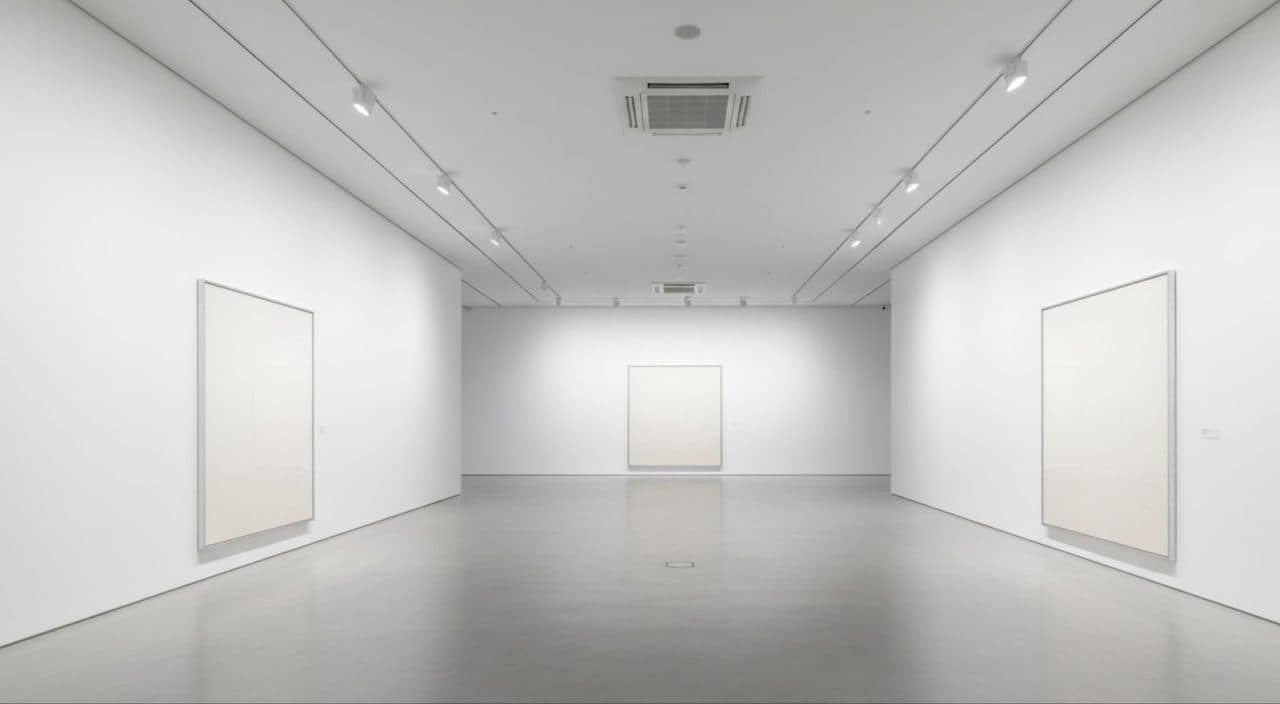
Museums and established galleries follow strict environmental protocols designed to minimize airborne threats to their collections. Air quality management is treated as an ongoing operational requirement rather than a one-time setup.
HEPA and Activated Carbon Filtration
HEPA filtration is standard in professional exhibition and storage spaces. HEPA filters capture 99.97% of particles at 0.3 microns, removing dust, mold spores, and fine soot from the air supply. Many institutions add activated carbon filters to address gaseous pollutants such as VOCs and sulfur compounds.
Scheduled Duct Maintenance
Scheduled professional duct cleaning is part of routine building maintenance in most major museums. Cleaning removes accumulated contaminants from inside the ductwork, preventing the recirculation of pollutants that bypass filters.
Climate Control Standards
Climate targets in professional galleries typically maintain relative humidity between 45% and 55% and temperature between 65°F and 72°F (18–22°C). These ranges minimize expansion-contraction cycles that damage organic materials and inhibit mold growth.
Practical Air Quality Measures for Private Art Collectors
Private collectors do not need museum-scale infrastructure to protect their artwork. Several targeted measures significantly reduce air-quality risks in residential and small-commercial settings.
Professional Duct Cleaning
Professional duct cleaning every three to five years removes accumulated dust, mold, and debris from the HVAC system. In older buildings or spaces with known moisture issues, more frequent cleaning is advisable. This single step reduces the total volume of particulate matter circulating through the space.
Filter Upgrades
Upgrading HVAC filters to a MERV 13 rating or higher captures a substantially greater proportion of fine particles than standard residential filters. Filters should be replaced according to the manufacturer’s recommendations —typically every 60 to 90 days.
Humidity Monitoring and Control
Monitoring relative humidity with a digital hygrometer allows collectors to identify dangerous fluctuations. Standalone humidifiers or dehumidifiers can stabilize RH within the 45–55% range recommended for most art materials.
Artwork Placement
Artwork placement matters. Hanging or storing art directly adjacent to supply vents or return grilles exposes it to concentrated airflow carrying the highest particle load. Maintaining at least three to four feet of distance from vent openings reduces direct deposition significantly.
Indoor air affects artwork continuously and invisibly. For any collector or gallery operator, managing air quality is not an optional refinement — it is a basic condition of preservation. Regular HVAC maintenance, appropriate filtration, humidity control, and thoughtful placement of objects are accessible steps that protect the long-term condition and value of a collection.